You Can Call Even If You Are Not Sure What Is Wrong
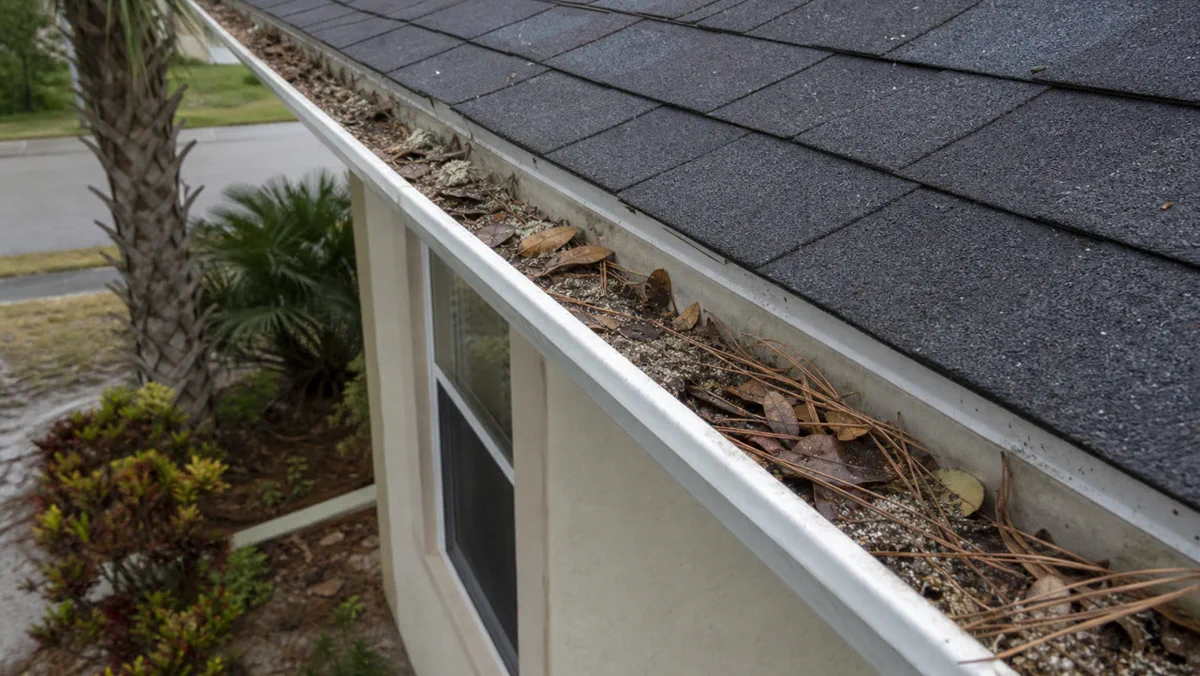
You can start with whatever you noticed first. “Gutters are overflowing” is enough to begin, and a more specific note like “back left corner over the patio” is helpful only if you already know it. If the problem only happens in heavy rain, say that; if it happens in light rain, the follow-up can account for a more stubborn blockage or slope issue.
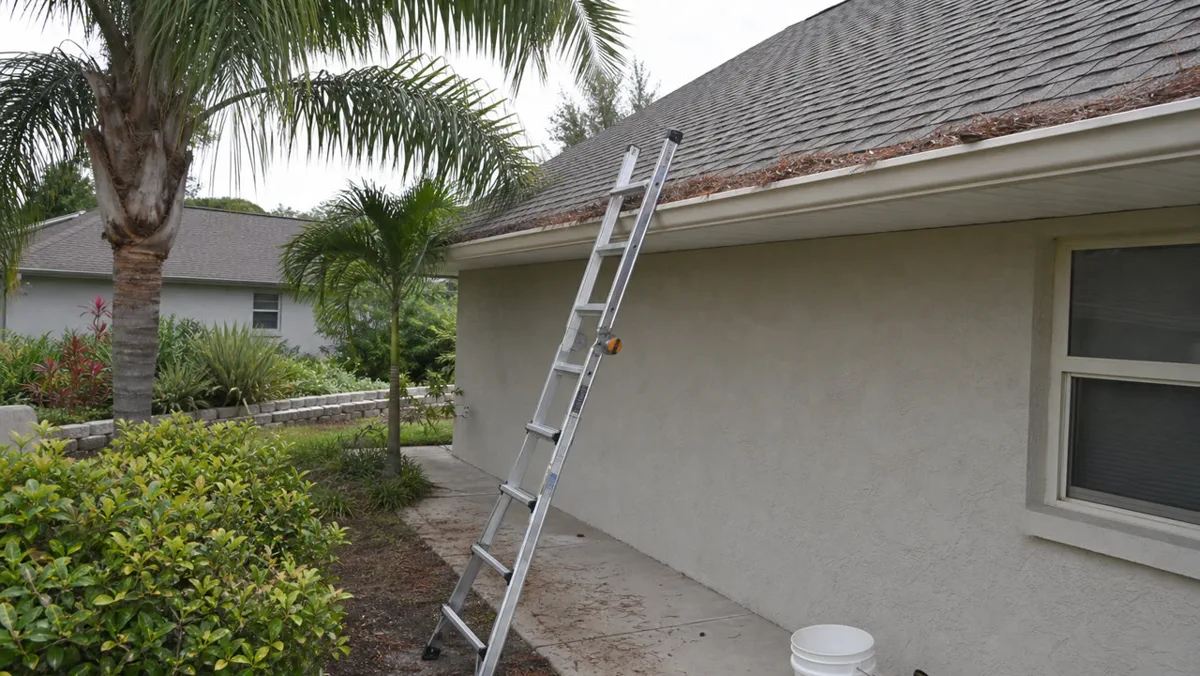
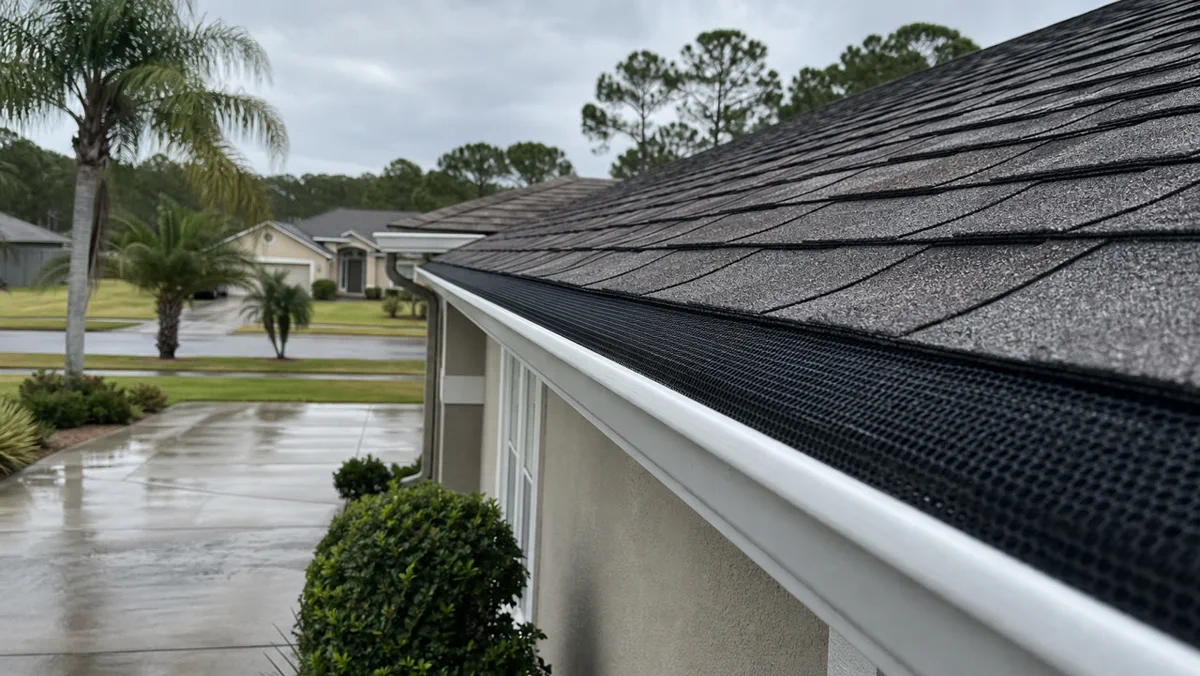
If it is easy to describe the home, mention tree cover, gutter guards, a pool cage, screened lanai, fence, or narrow side yard. Those details can help with access planning, but they should not stop you from calling when the main issue is simply overflow, debris, or a downspout that no longer drains.
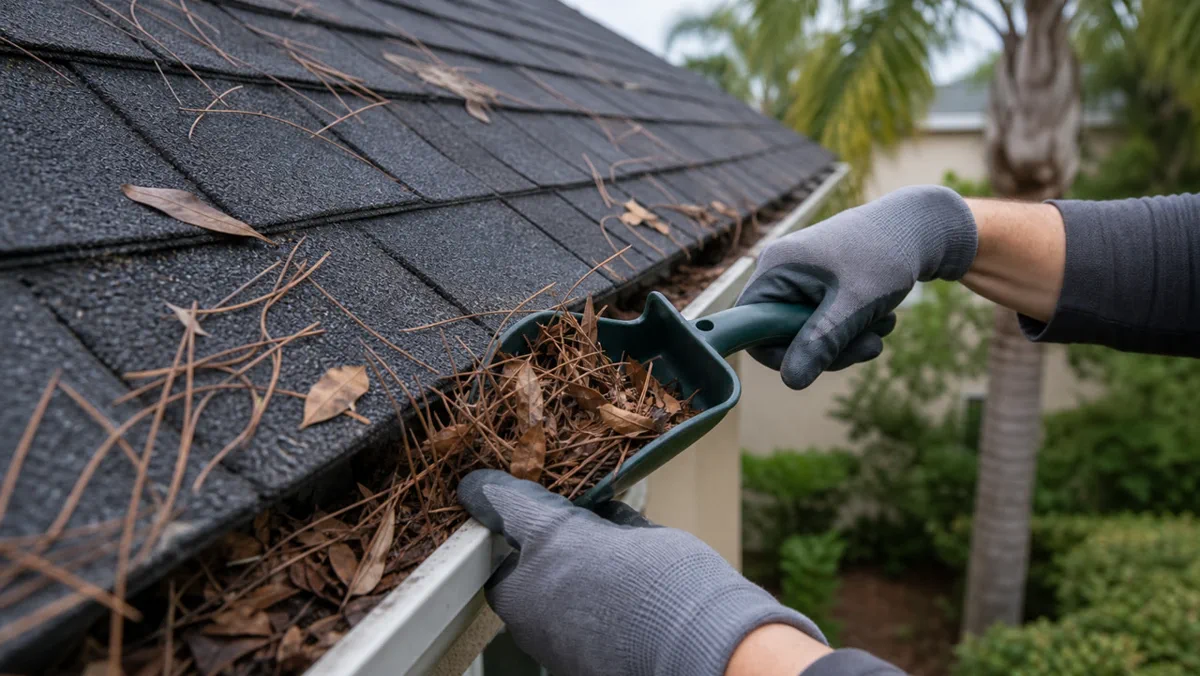
It also helps to say whether you want preventive cleaning before storm season or help with a problem that is already washing out mulch, staining fascia, or pooling near the slab. The follow-up can then focus on routine debris removal, downspout clearing, guard review, or whether a separate repair question is involved.
If the same area overflowed after a prior cleaning, mention it if you remember. Recurring trouble can point to a downspout outlet, underground drain, gutter slope, roof valley feed, or tree canopy problem. Routine cleaning may still help, but the estimate should not treat the issue like a brand-new one if it keeps returning.